The Importance of Preparing Your Soil Correctly
Preparing soil before any landscaping project is crucial to ensure long-term success. Proper soil preparation sets the foundation for healthy plants, turf, and gardens. Whether you’re an avid gardener or a professional landscaper, understanding the nuances of soil preparation can make all the difference in your project’s outcome. To achieve the best results, you need to consider factors such as soil type, nutrient content, and drainage capabilities.
Evaluating Your Soil Type
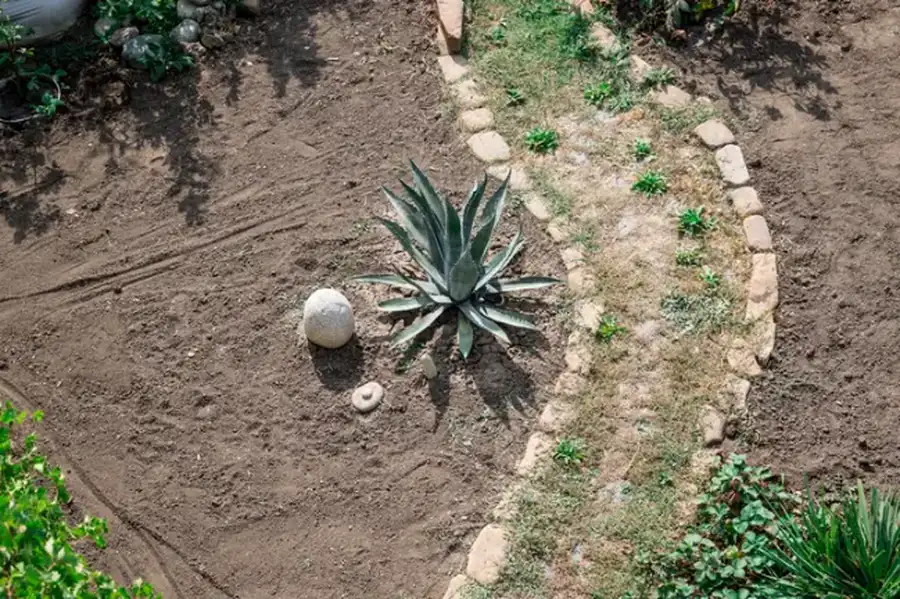
Knowing your soil type helps determine the best approach for landscape installation. Different soils-such as clay, sandy, or loamy soils-require unique preparation methods. Clay soils need aeration to prevent waterlogging, while sandy soils may require organic matter to improve water retention. Conducting a simple soil test will give you insight into your soil composition, allowing you to amend it accordingly.
Nutrient Enrichment for Optimal Growth
A critical step in preparing soil involves enriching it with essential nutrients. Fertilizers and organic compost add vital elements that promote plant growth. Before starting landscape installation, assess the current nutrient levels in your soil. This assessment will guide your choice of fertilizers needed to enhance soil fertility effectively.
Importance of Ph Balance
The pH level of your soil affects nutrient availability and plant health. A balanced pH ensures that plants can absorb nutrients efficiently during landscape installation. Most garden plants thrive in slightly acidic to neutral conditions, usually between 6.0 and 7.0 on the pH scale. You can use lime to raise pH or sulfur to lower it based on your soil’s requirements.
Enhancing Soil Drainage
Good drainage prevents root rot and other plant diseases. If you notice water pooling in certain areas after rainfall, consider amending your soil with sand or perlite to improve its drainage capacity. Proper grading and contouring during landscape planning can also help direct water away from vulnerable areas.
Using Organic Matter
Organic matter, like compost or well-rotted manure, improves soil structure and provides key nutrients. It enhances microbial activity, which is beneficial for plant roots. Incorporating organic materials into your soil helps retain moisture and reduces the need for chemical fertilizers in the long run.
- Improves soil texture
- Increases water retention
- Boosts microbial activity
Preventing Erosion Through Ground Covers
Erosion can be a significant issue if not addressed early on. Using ground covers or mulch helps stabilize the topsoil by reducing water runoff. These techniques are especially important on slopes or areas prone to heavy rain.
Final Thoughts on Successful Soil Preparation
Proper soil preparation is the cornerstone of any successful landscaping endeavor. By evaluating your soil type, ensuring proper nutrient balance, and enhancing drainage, you lay the groundwork for vibrant plant life. For further guidance and expert assistance, contact California Landscaping Service. Located in Clayton Valley Highlands, Concord, CA 94521, I offer tailored services designed to meet all your landscaping needs. Reach out at (925) 387-6299 for personalized advice and support.